November 14, 2025
In recent months, several pharmaceutical brands have received FDA letters flagging issues with their television creative. While this isn’t the first time the FDA has paused branded DTC ads, the timing has created unique challenges. Government headcount reductions and an ongoing shutdown have slowed review cycles, with some brands facing extended blackout periods for linear TV, CTV, and online video.
Those pauses are frustrating, but they don’t have to mean lost momentum. For many brands, this is a moment to step back, rethink channel strategy, optimize spend, and come back stronger.
The Challenge: When TV Pauses, So Does Channel Synergy
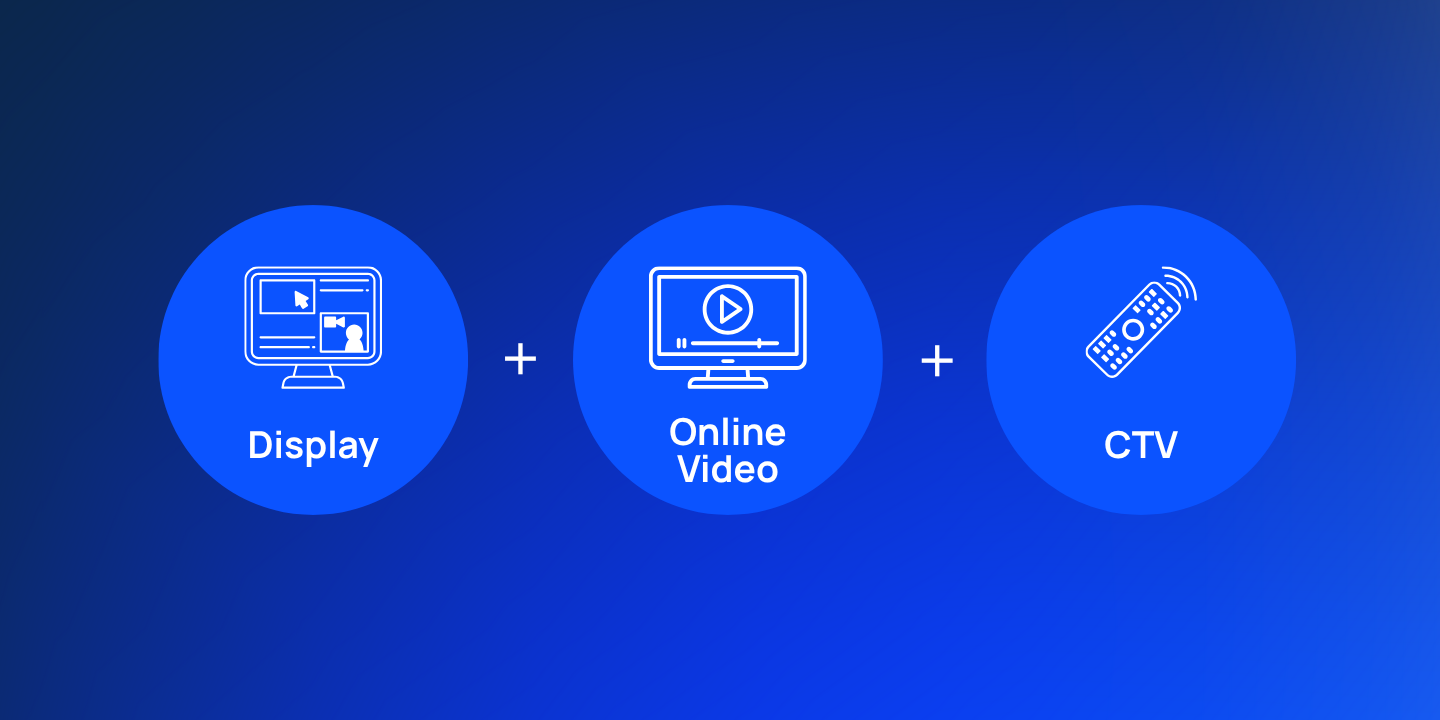
Pharma marketers know that no single channel drives the whole patient journey. Campaign performance amplifies when audiences are reached across multiple touchpoints. In fact, display, online video (OLV), and CTV together can deliver nearly 3.5x more incremental prescriptions compared to display alone.
.gif)
When TV goes dark, however, the impact extends beyond that channel’s reach. It disrupts the synergy across all channels, leaving a performance gap not easily replaced by simply “waiting it out.”
The Opportunity: Repurpose and Rebalance
While the FDA process unfolds, marketers can repurpose paused TV and CTV budgets to maintain momentum through three data-driven steps:
.png)
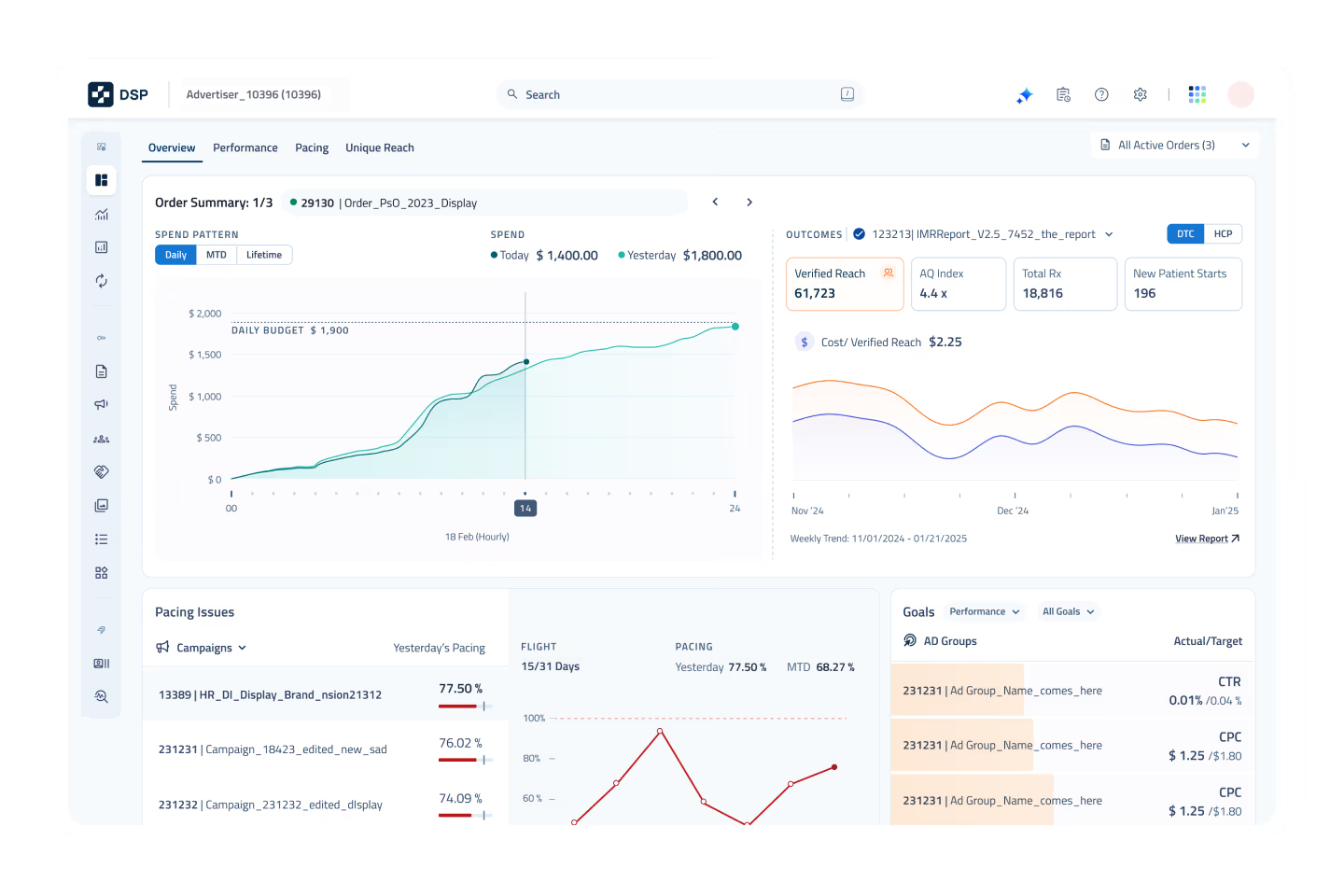
With DeepIntent data-driven capabilities, brands can pinpoint the audiences that would normally be reached through CTV and are driving script performance. These segments can be carved from existing campaign audiences to create a “CTV-reachable” sub-audience.
.png)
By analyzing the cost per new patient start across channels, teams can model how to maintain comparable outcomes through other media. For example, if $600,000 in CTV and OLV spend drives a certain number of new prescriptions, reallocating just $250,000 of that into display can preserve a significant portion of that impact, often at lower cost.
This isn’t about replacing CTV with display. It’s about bridging the gap strategically until TV creatives are cleared. Patients continue to see the brand message, keeping awareness and intent from eroding during downtime.
.png)
When FDA approvals arrive, brands will already have three advantages:
- A CTV-ready audience primed through display exposure.
- Detailed data on who has been reached and who remains under-exposed.
- The ability to retarget previously reached audiences with new CTV messaging.
This enables a sequenced comeback, targeting those who missed earlier CTV exposure more aggressively and retouching prior viewers at optimized frequency. Think of it as channel-based sequential messaging, using data to maximize re-entry impact.
Why It Matters
Rather than being a temporary fix, this approach is a blueprint for omnichannel resilience. Brands and agencies are already working with DeepIntent to explore this strategy, leveraging display to preserve spend and sustain reach while preparing for eventual CTV reactivation.
With budgets often tied to fiscal deadlines, holding spend can be risky. Redirecting it intelligently safeguards both short-term performance and long-term continuity, positioning marketers to execute even stronger when their TV assets return.
FDA holds may feel like setbacks, but they can also be catalysts for smarter channel orchestration. Adaptability is a competitive advantage in health marketing. By leveraging first-party data, audience overlap insights, and performance modeling, pharma advertisers can turn regulatory pauses into strategic edge.